

A Photo Essay: Polysmiths visits Japan - Gardens, Materials, and Beautiful Shadows
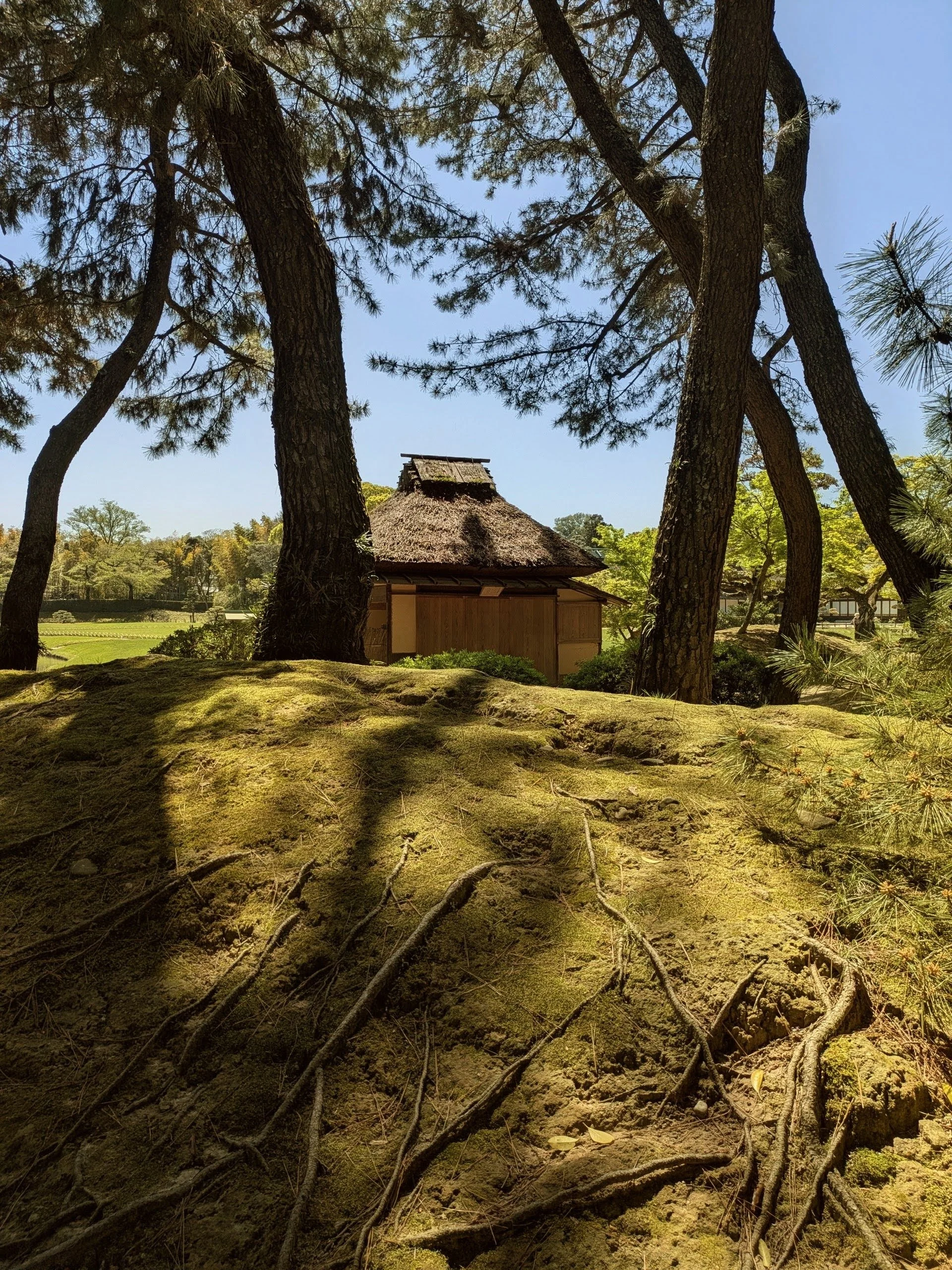
How Kyoto's gardens and Tadao Ando's architecture on Naoshima reinforce the design values that guide our London residential practice.
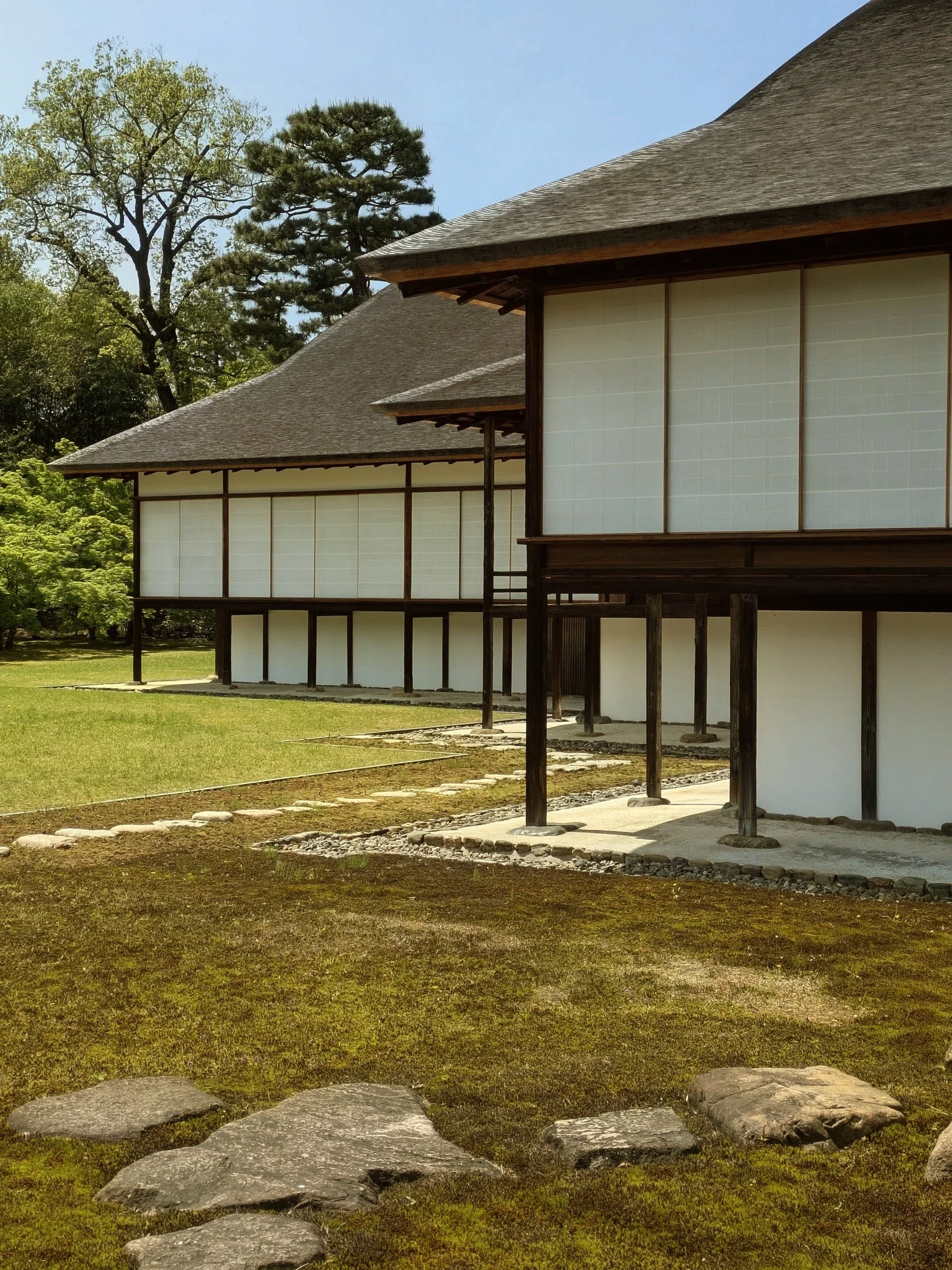
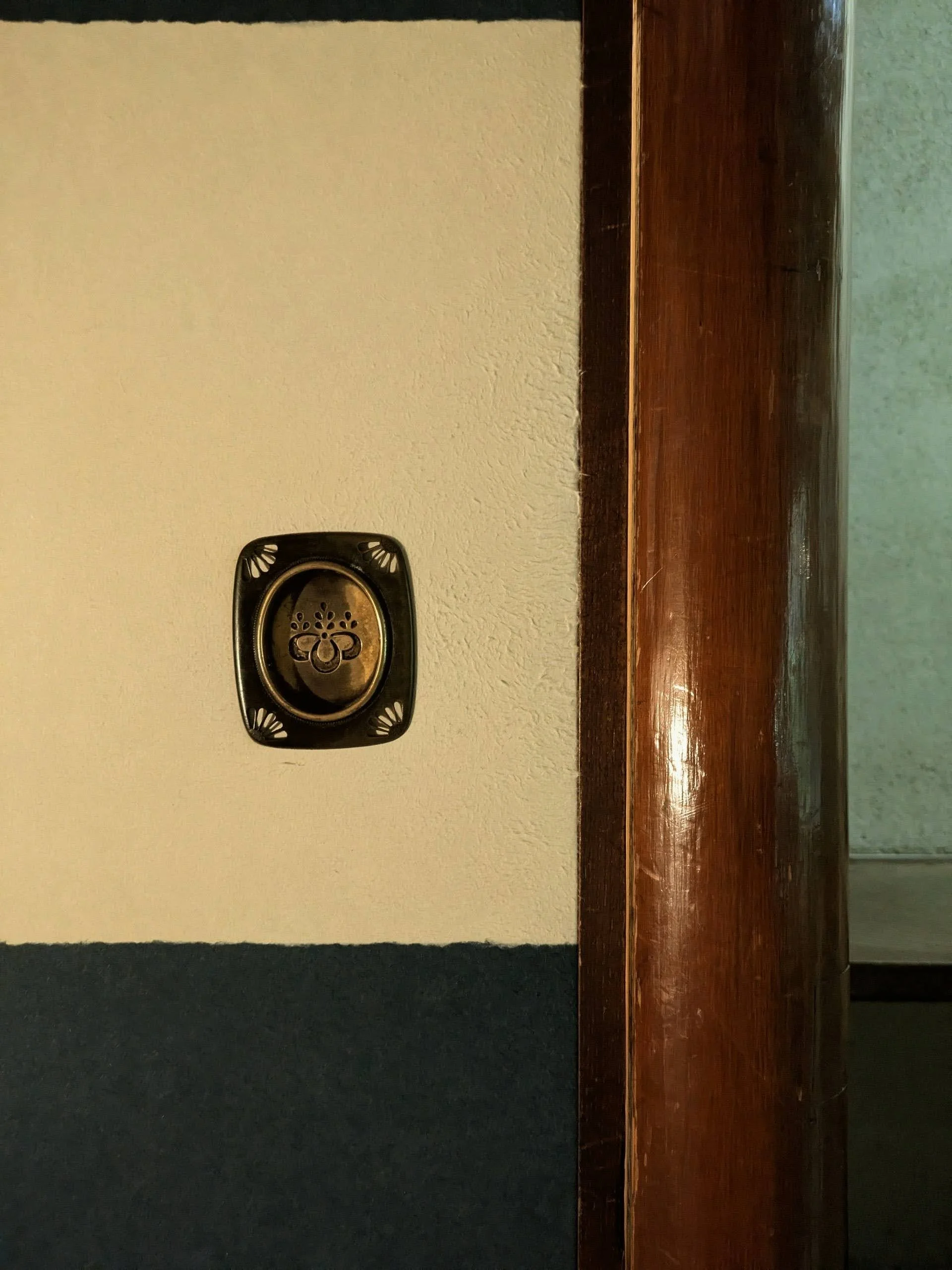
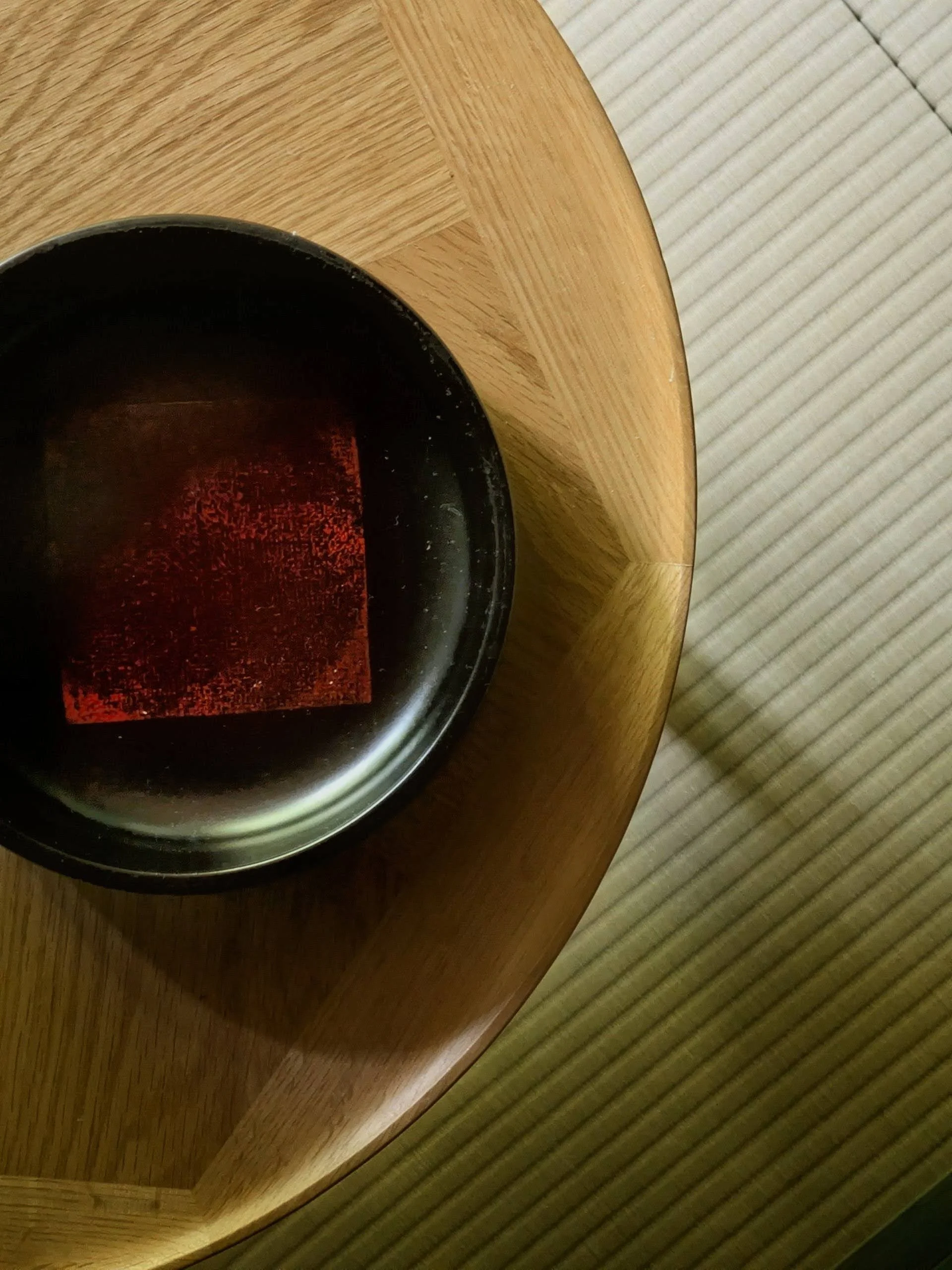
There is a quality of light in Japan that is impossible to ignore. It doesn't flood a room, it arrives slowly, filtered through paper screens or falling across raked gravel as a precise line of shadow. For Charles Wu, founder of Polysmiths and a London architect with more than fifteen years of practice, a recent journey to Japan was a return to the ideas that have shaped the studio since it began: natural materials, directional light, and architecture that rewards attention.
Kyoto: What Garden Temples Teach a London Architect About Material and Time
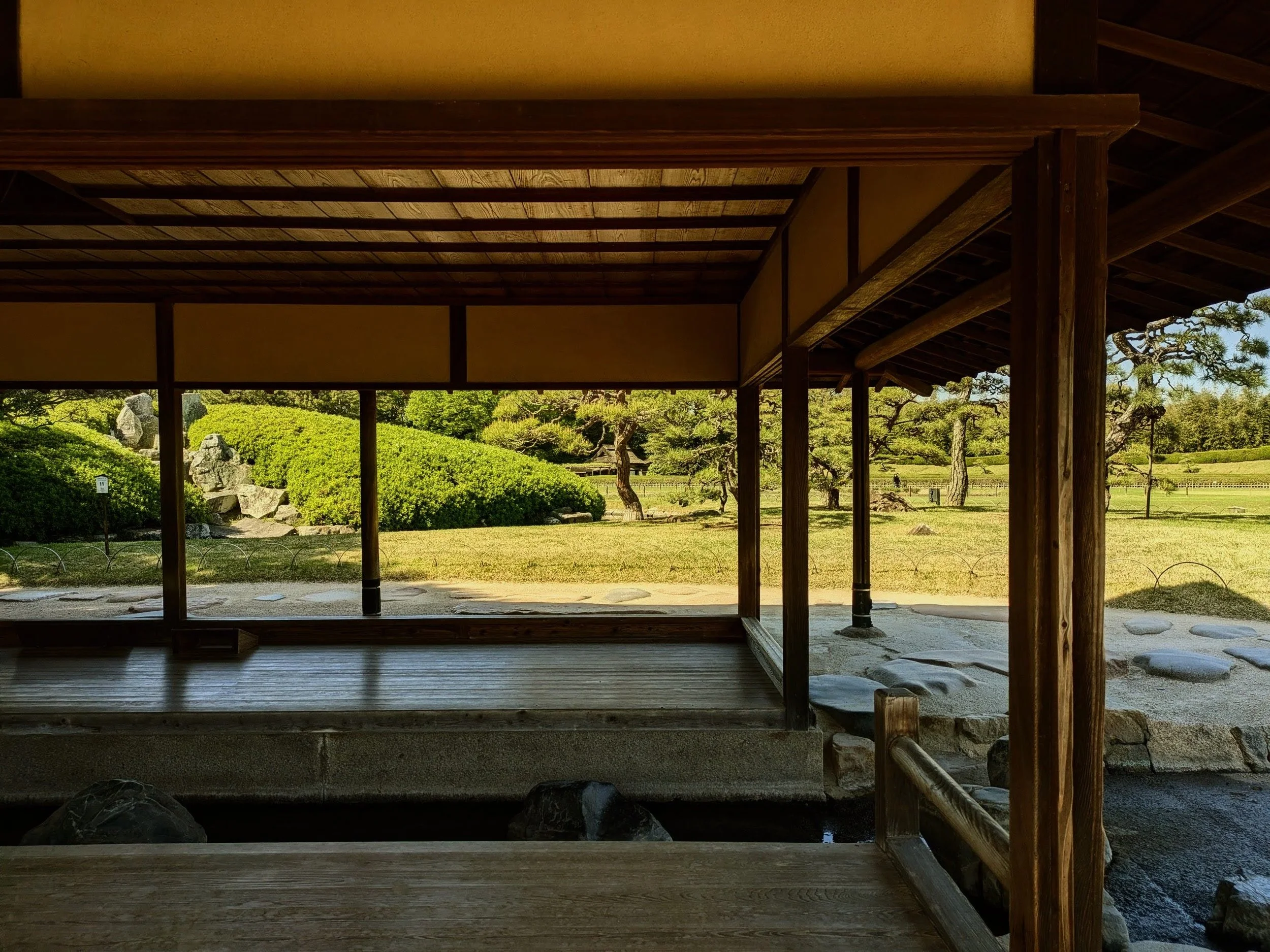
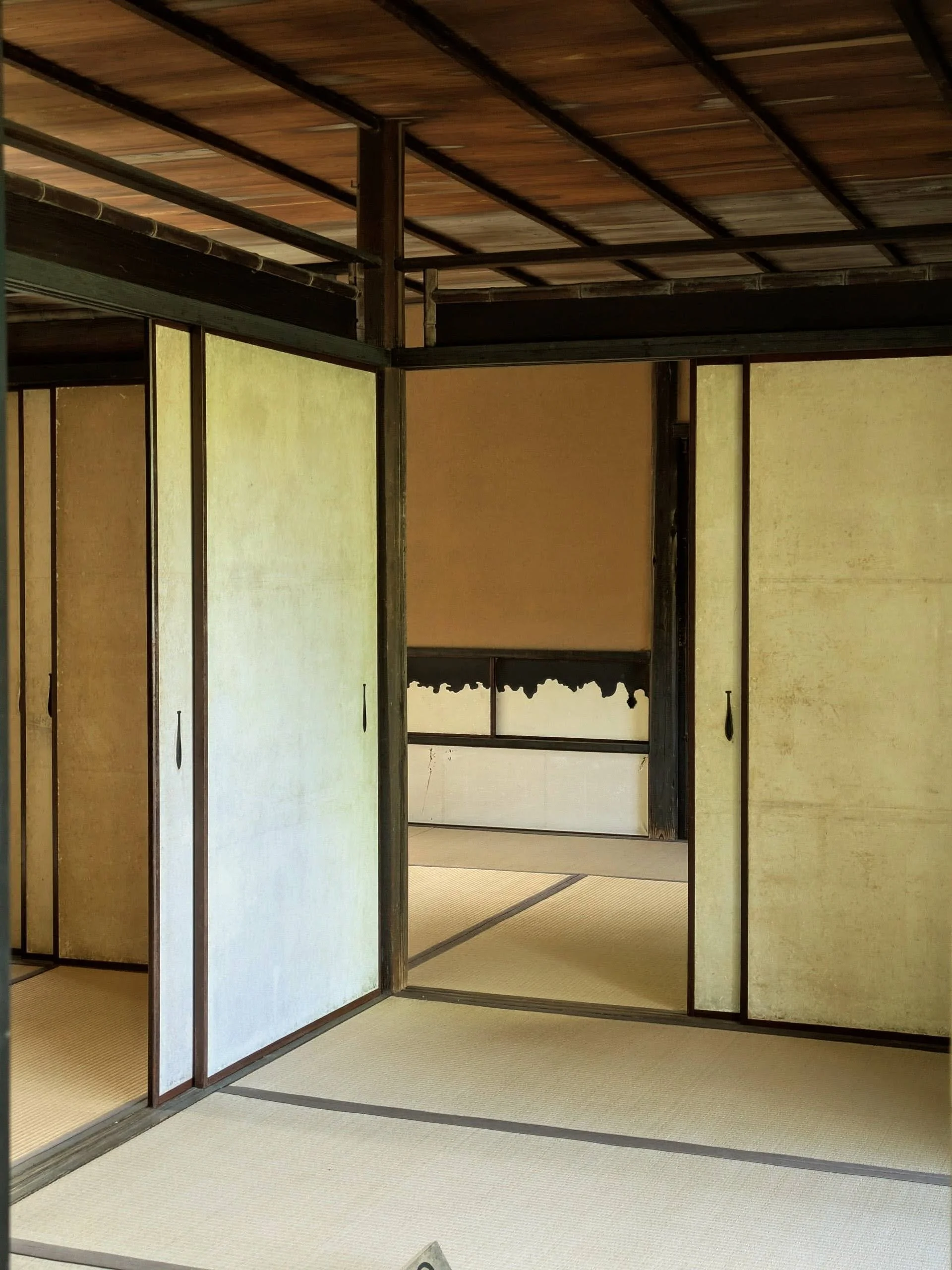
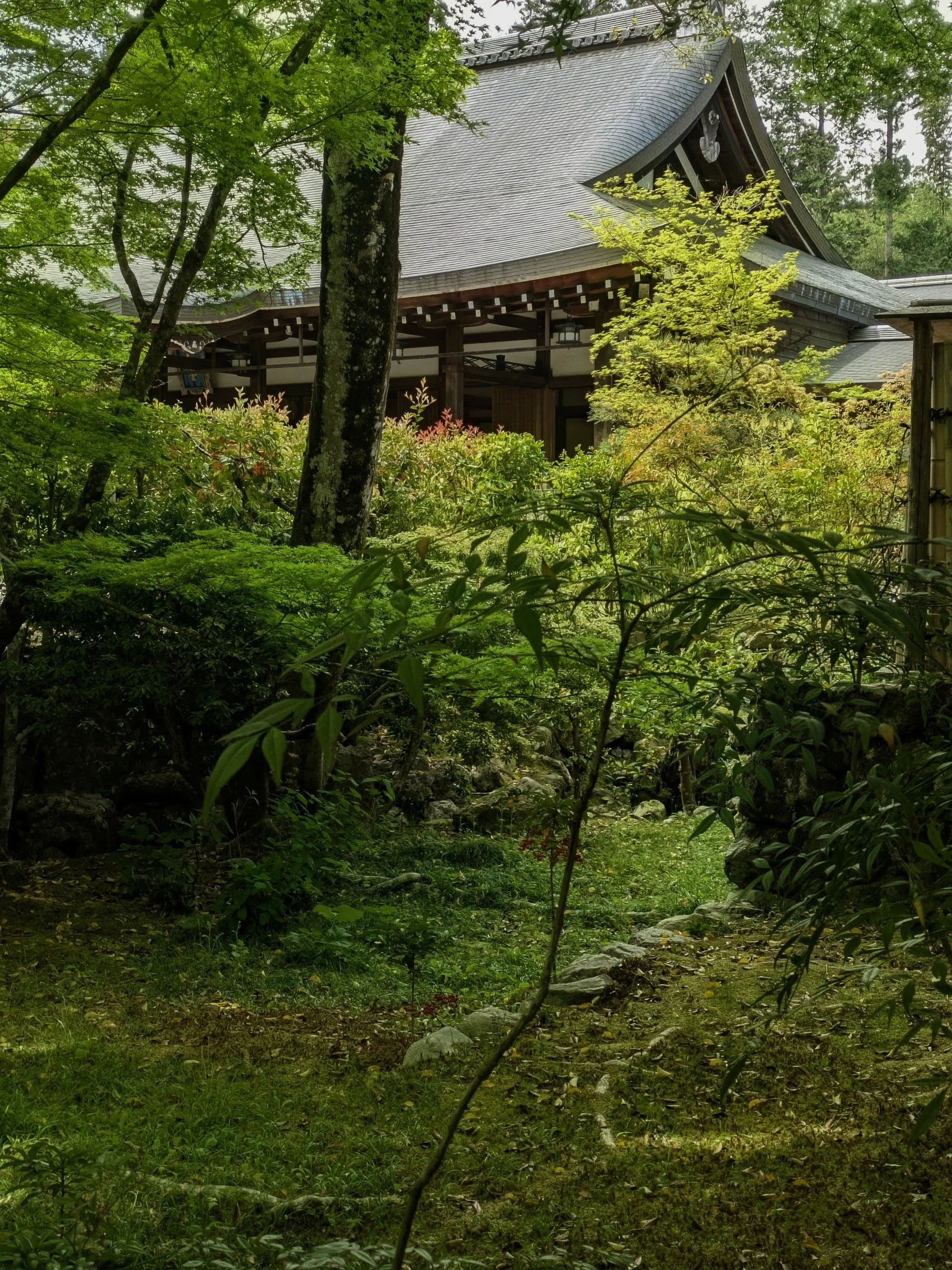
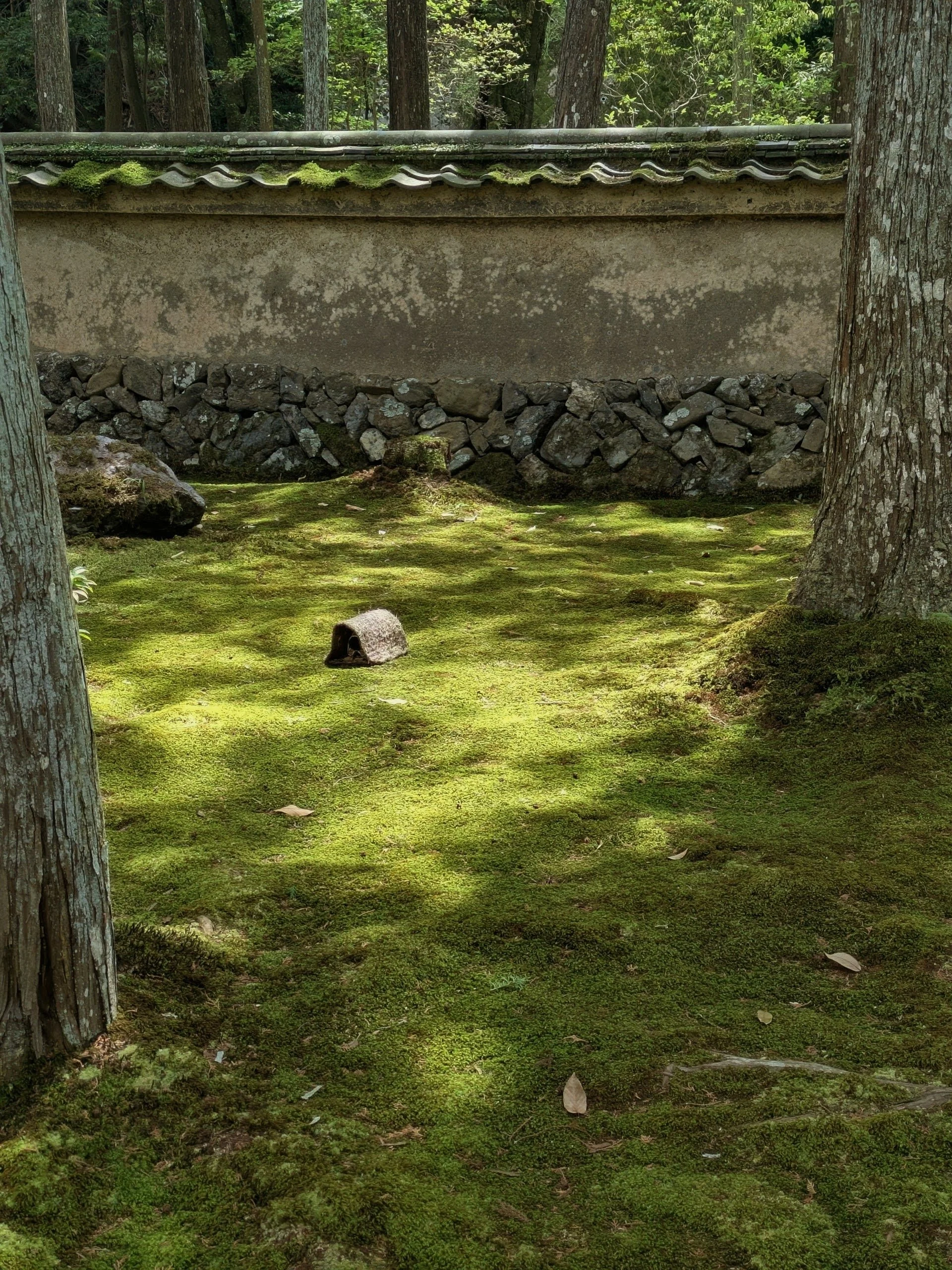
Charles visited Kyoto's great garden temples (including the incredible Ryoanji, Ginkakuji, and Tofukuji) and found in each of them a lesson about patience and restraint. The Japanese garden is not decorative. Moss, gravel, stone, and water are chosen and placed with the same discipline a craftsman brings to lime render or timber joinery. Every shadow line, every raked surface, every framed view has been considered across centuries.
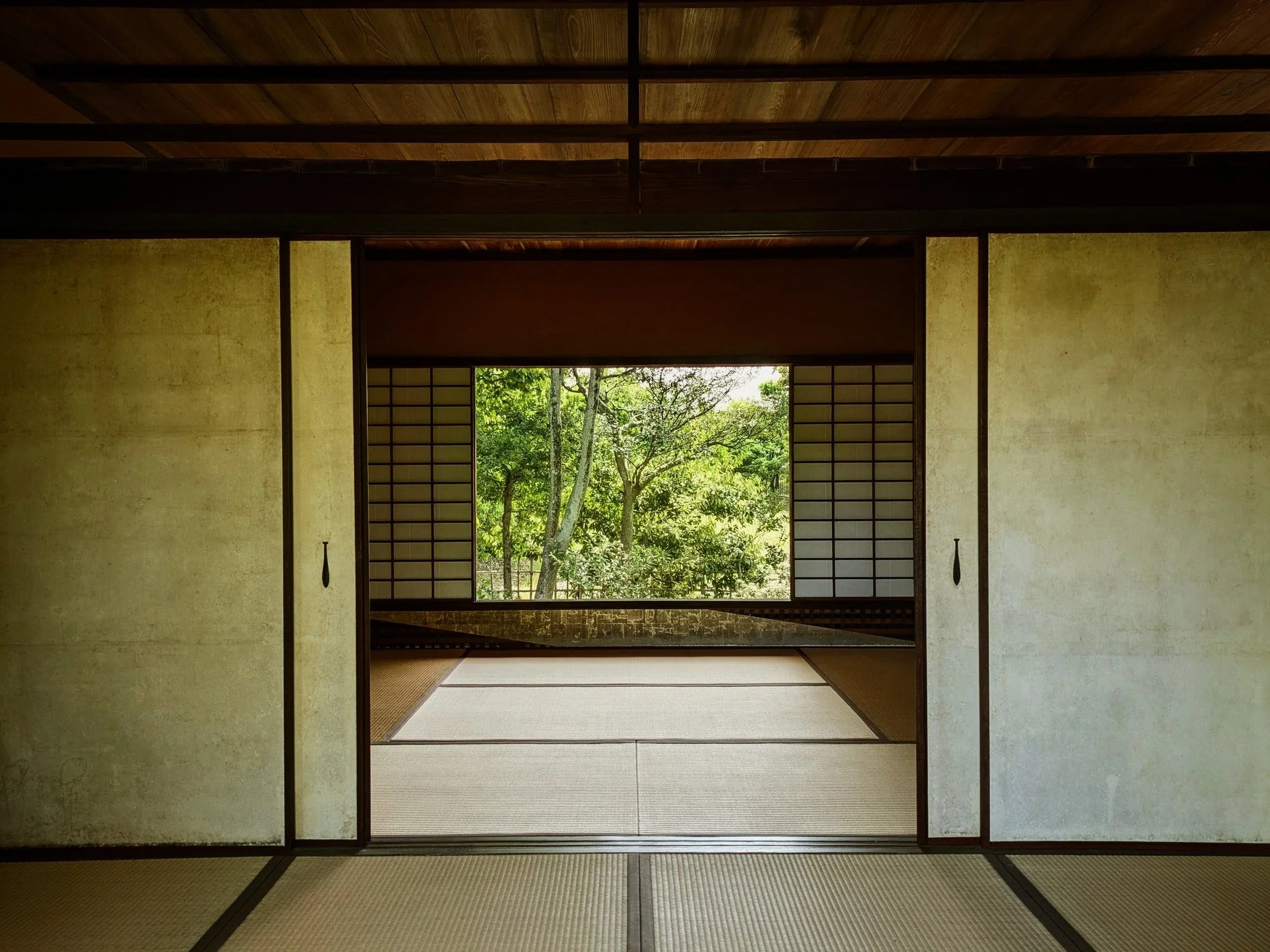
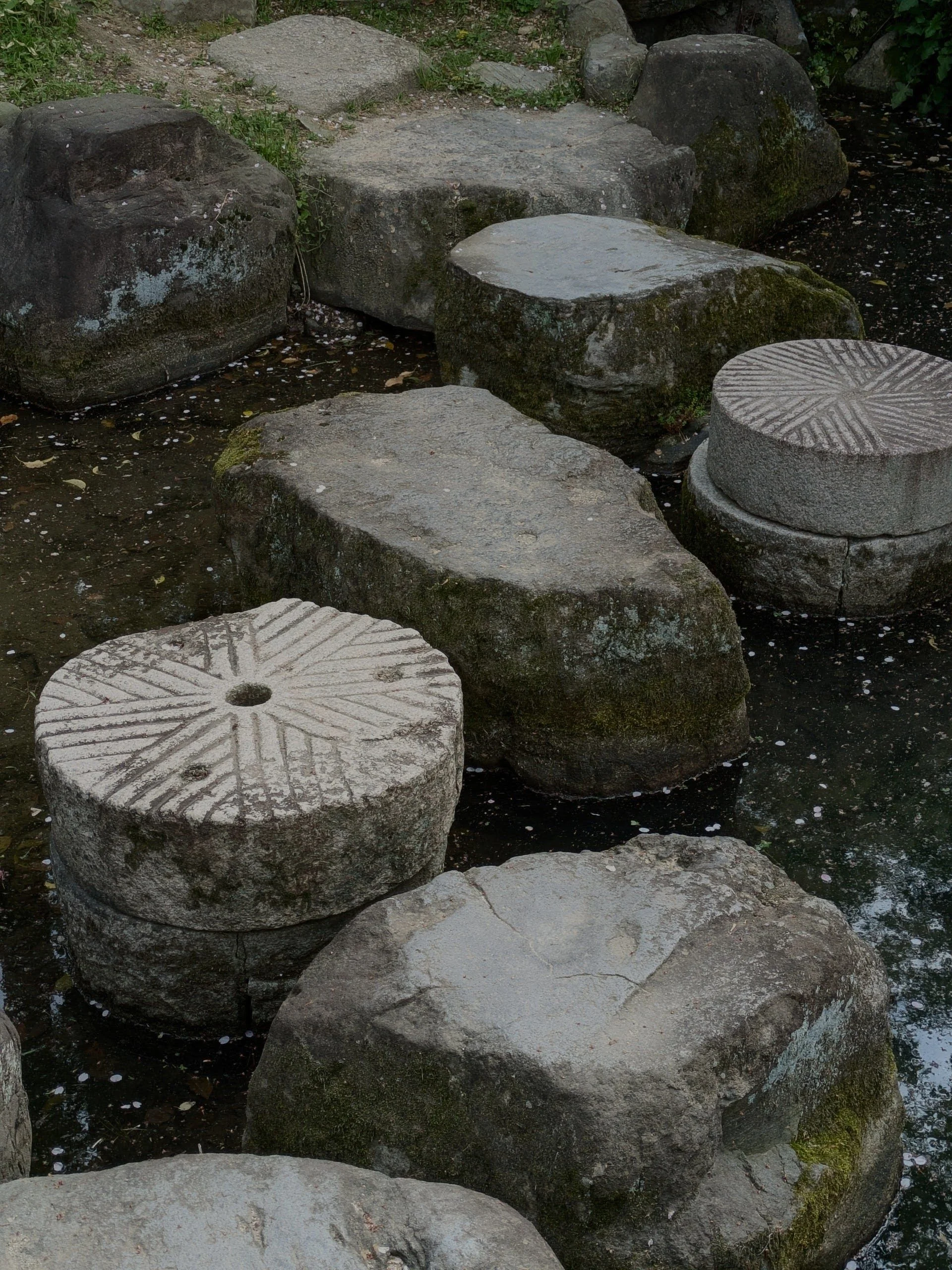
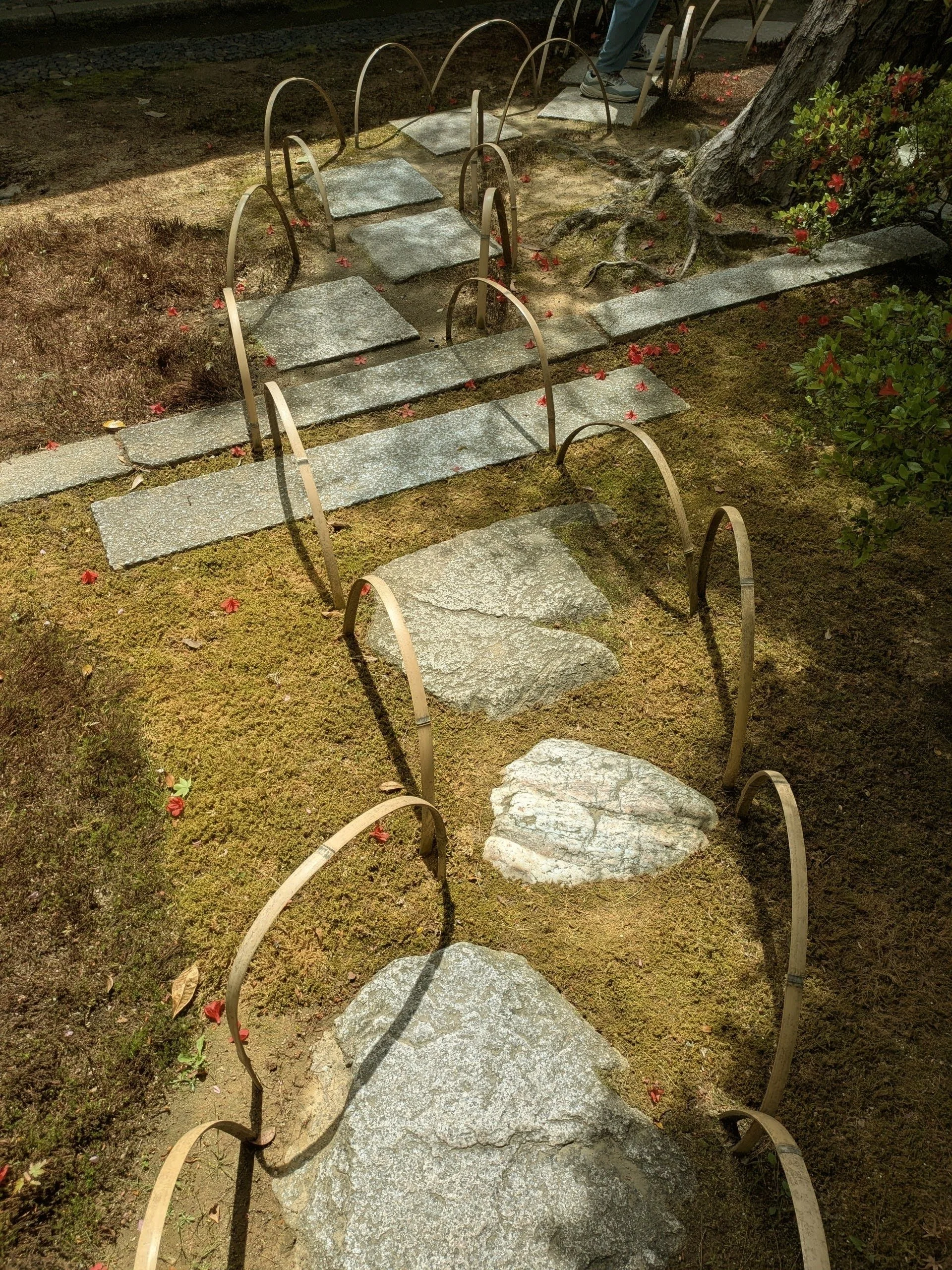
The karesansui, or dry landscape garden, is particularly instructive. Raked gravel becomes water. Placed stones carry the weight of mountains. The composition holds its meaning through what is left out as much as what is placed. 'This is the Japanese concept of ma,' says Charles 'the meaningful pause, the space between things. It's something we actively think about in our London projects: the proportions of a hallway, the gap between a shelf and a ceiling, the moment a material changes.'
Naoshima: Tadao Ando, Concrete, and the Architecture of Light
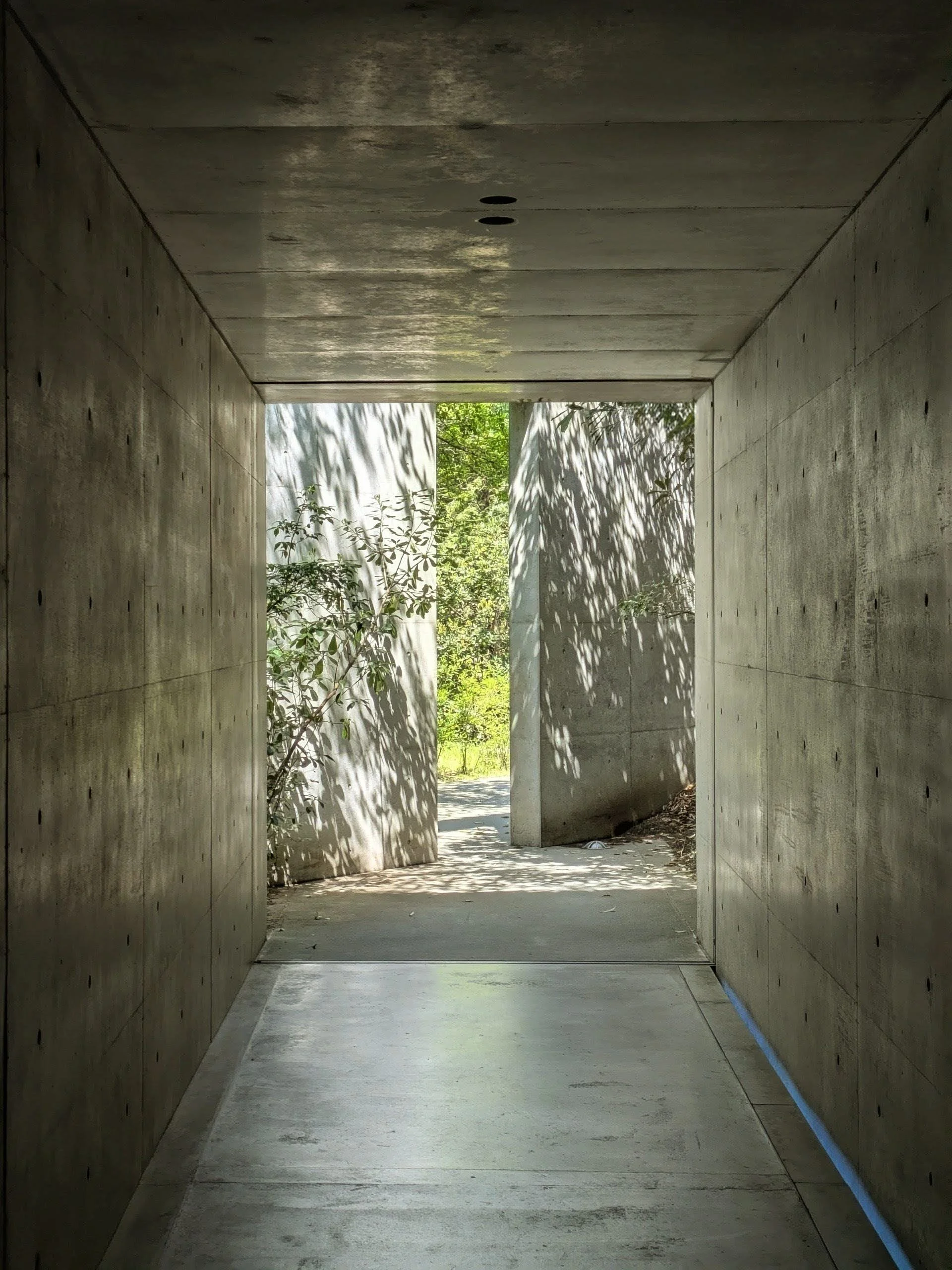
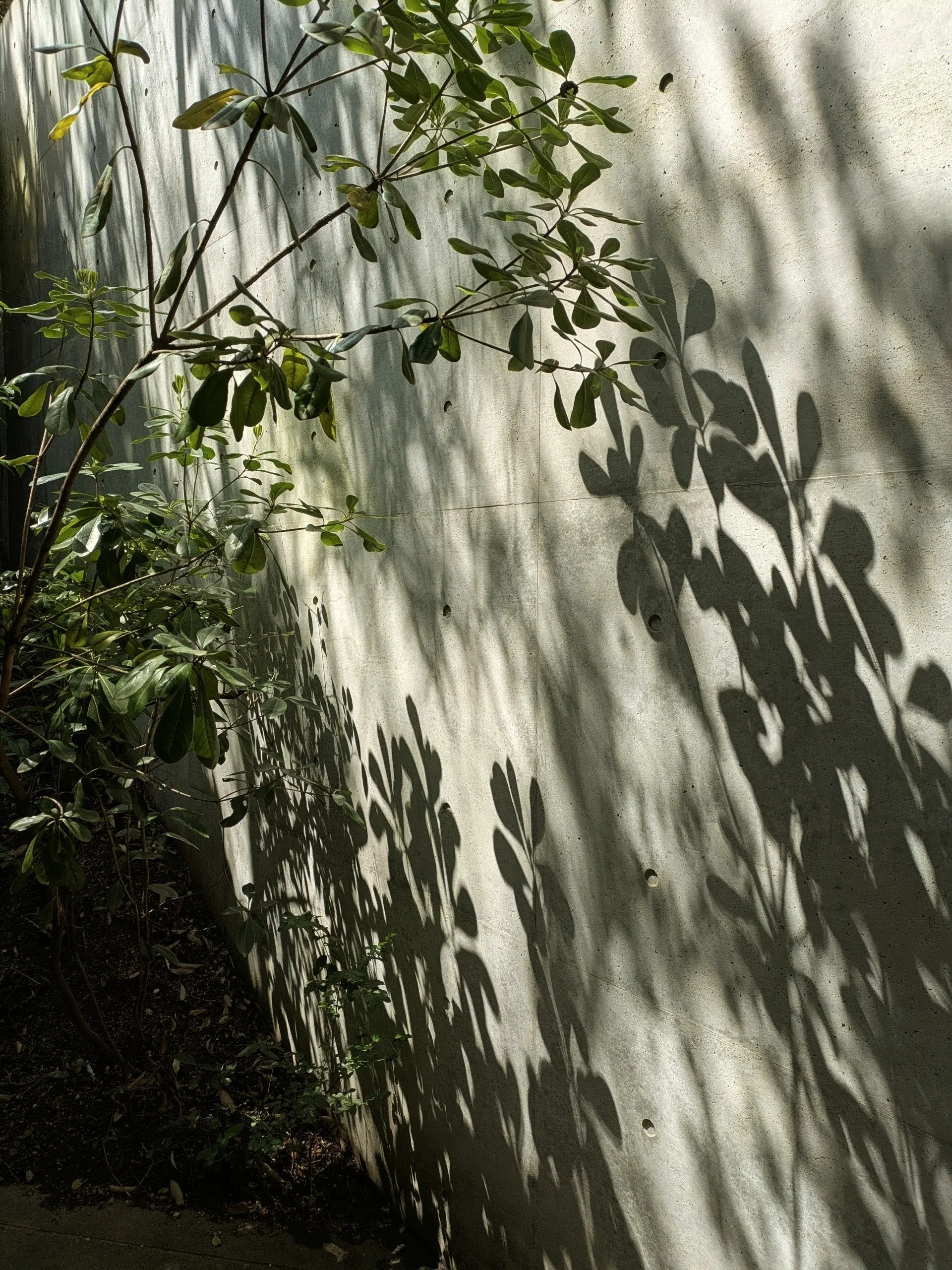
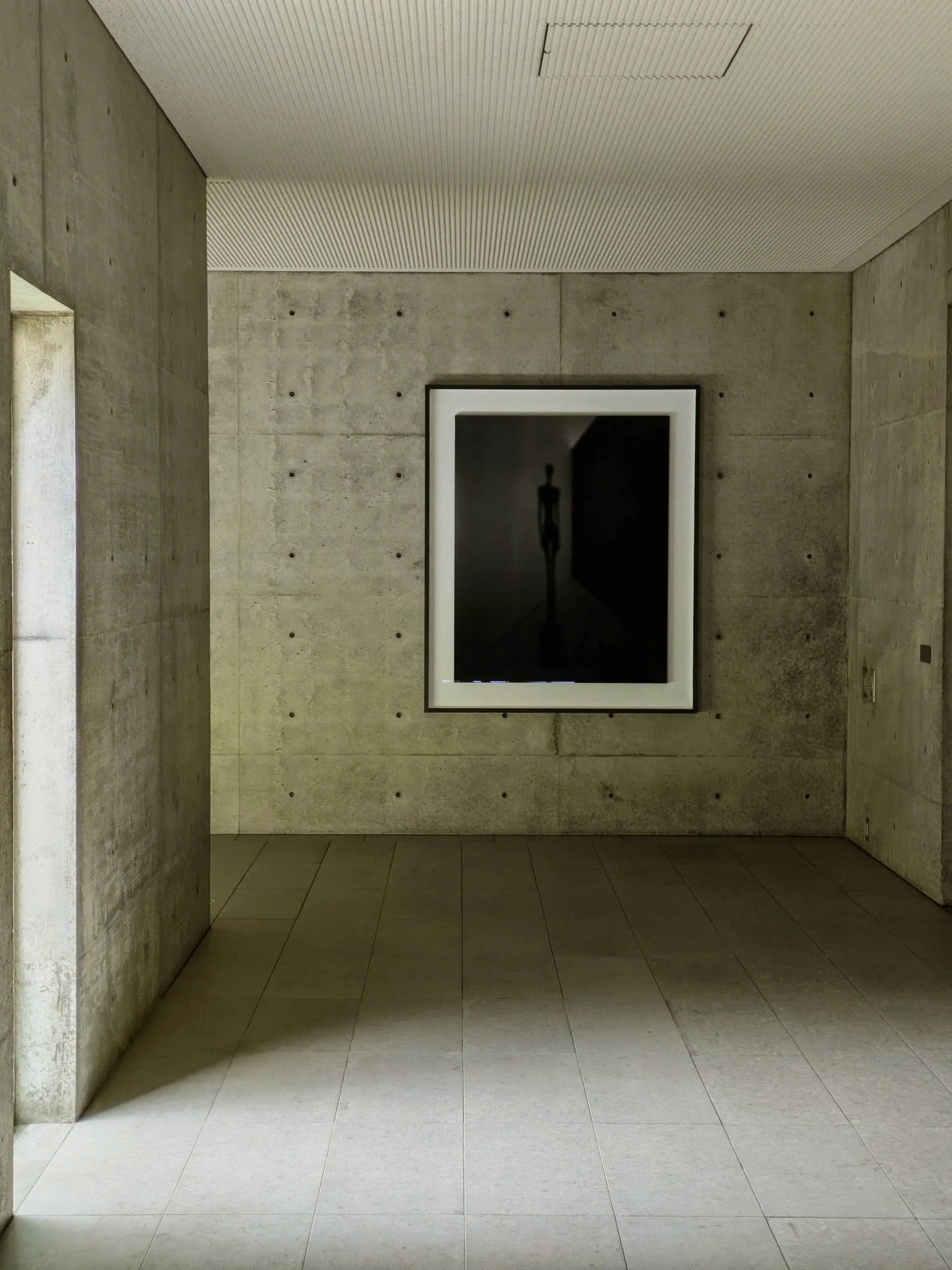
The journey continued to Naoshima, the small island in Japan's Seto Inland Sea that has become essential viewing for anyone serious about architecture. Here, Tadao Ando created two of his most significant buildings: the Chichu Art Museum and the Ando Museum. Both use raw board-formed concrete and natural light as their primary materials.
At Chichu, you descend below the hillside into galleries lit entirely by openings to the sky. The sun traces shadow arcs slowly across the concrete walls as the day progresses. There is no separation between architecture and landscape, between inside and outside, between building and time.
"Concrete is not a cold material if you understand it. Ando shows you how to make permanence feel alive. The texture of the formwork, the way natural light grazes the surface across the day, it is deeply human and deeply Japanese."
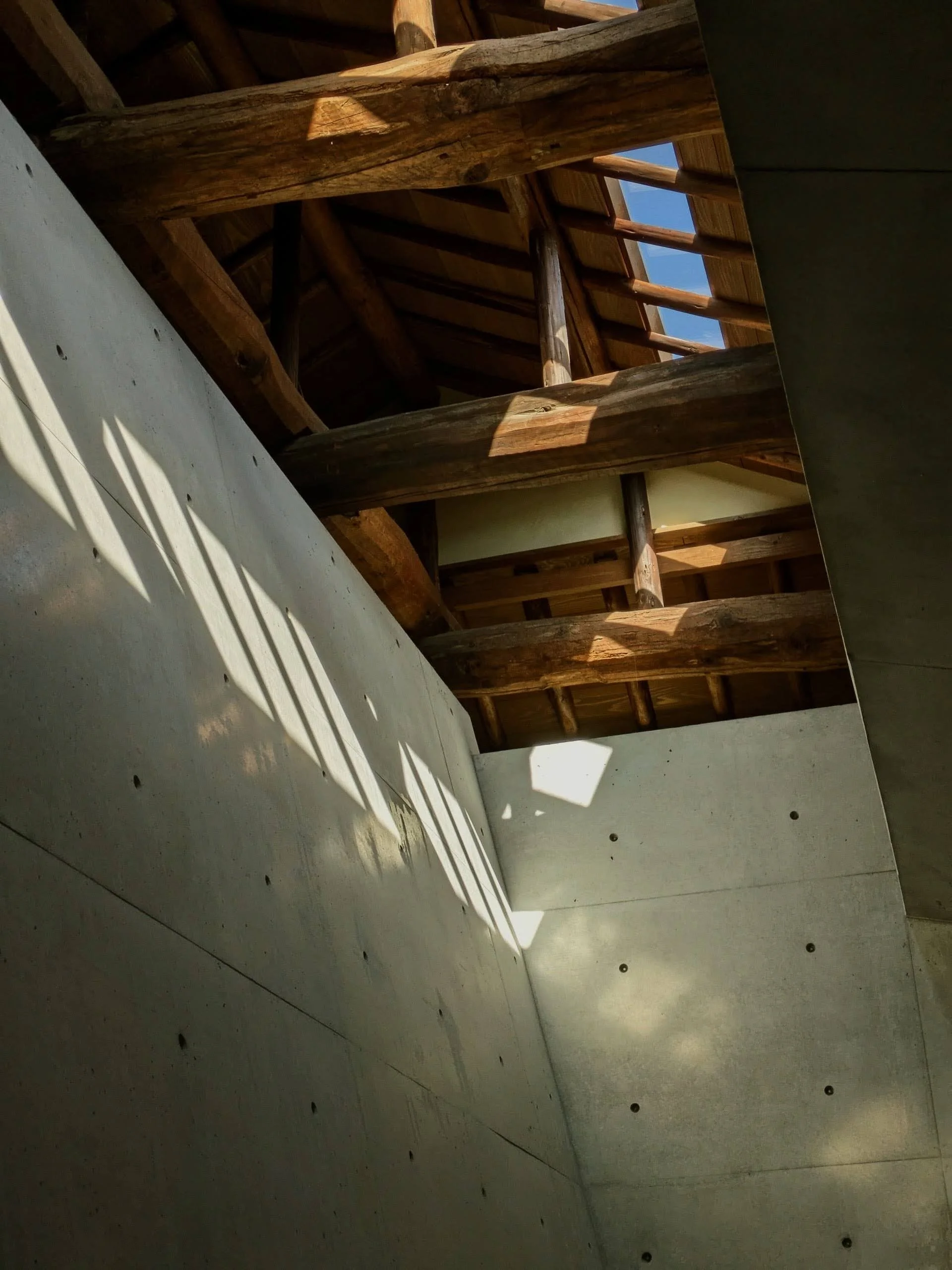
The Ando Museum - an old timber Japanese house wrapped inside a new concrete oval, explores a similar idea: old materials and new in deliberate conversation. For Charles, it resonated directly with Polysmiths' own work at Pine House in Peckham, where Victorian brick and new timber and concrete meet without apology.
What Japan Means for Polysmiths' London Work
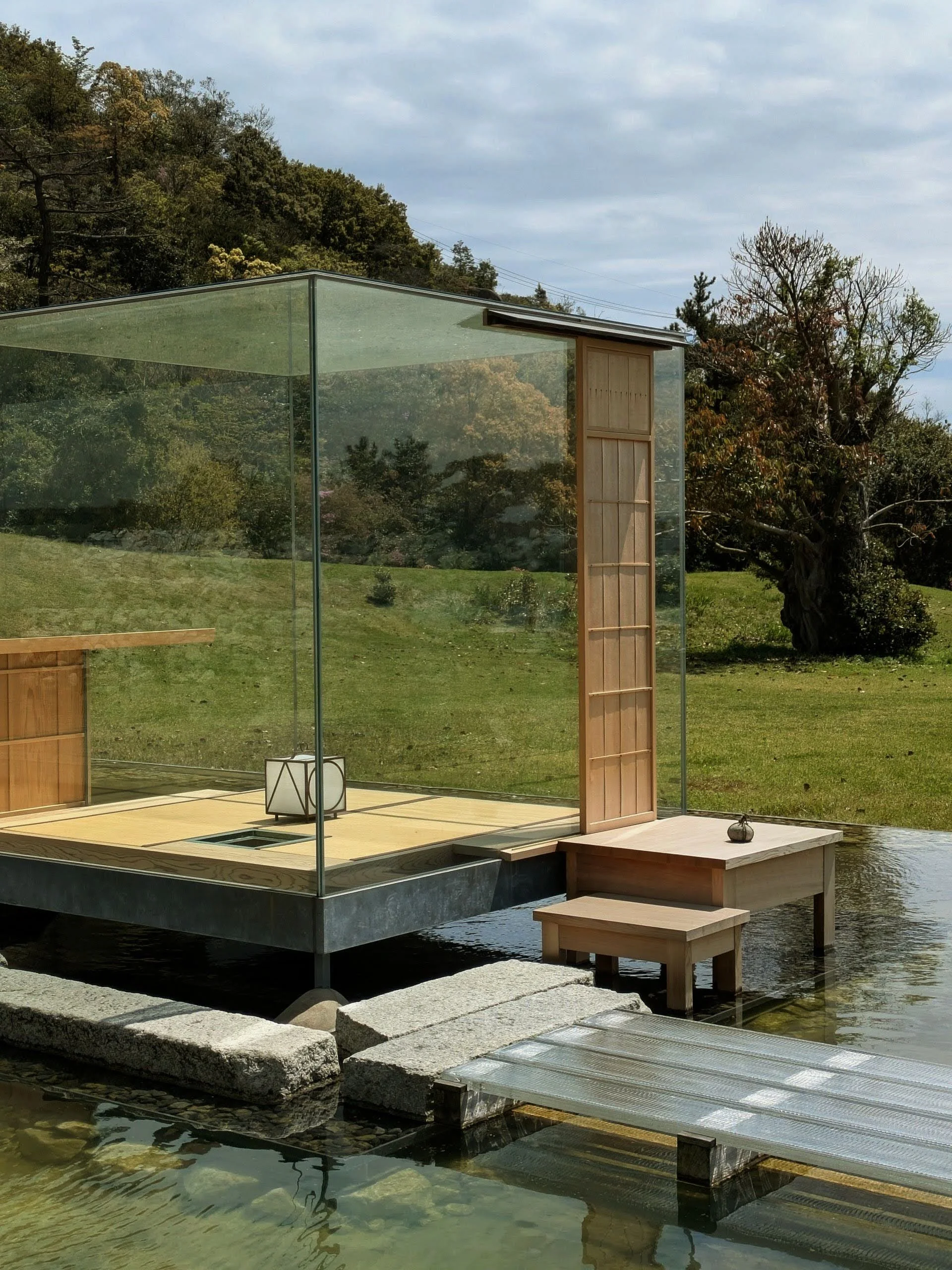
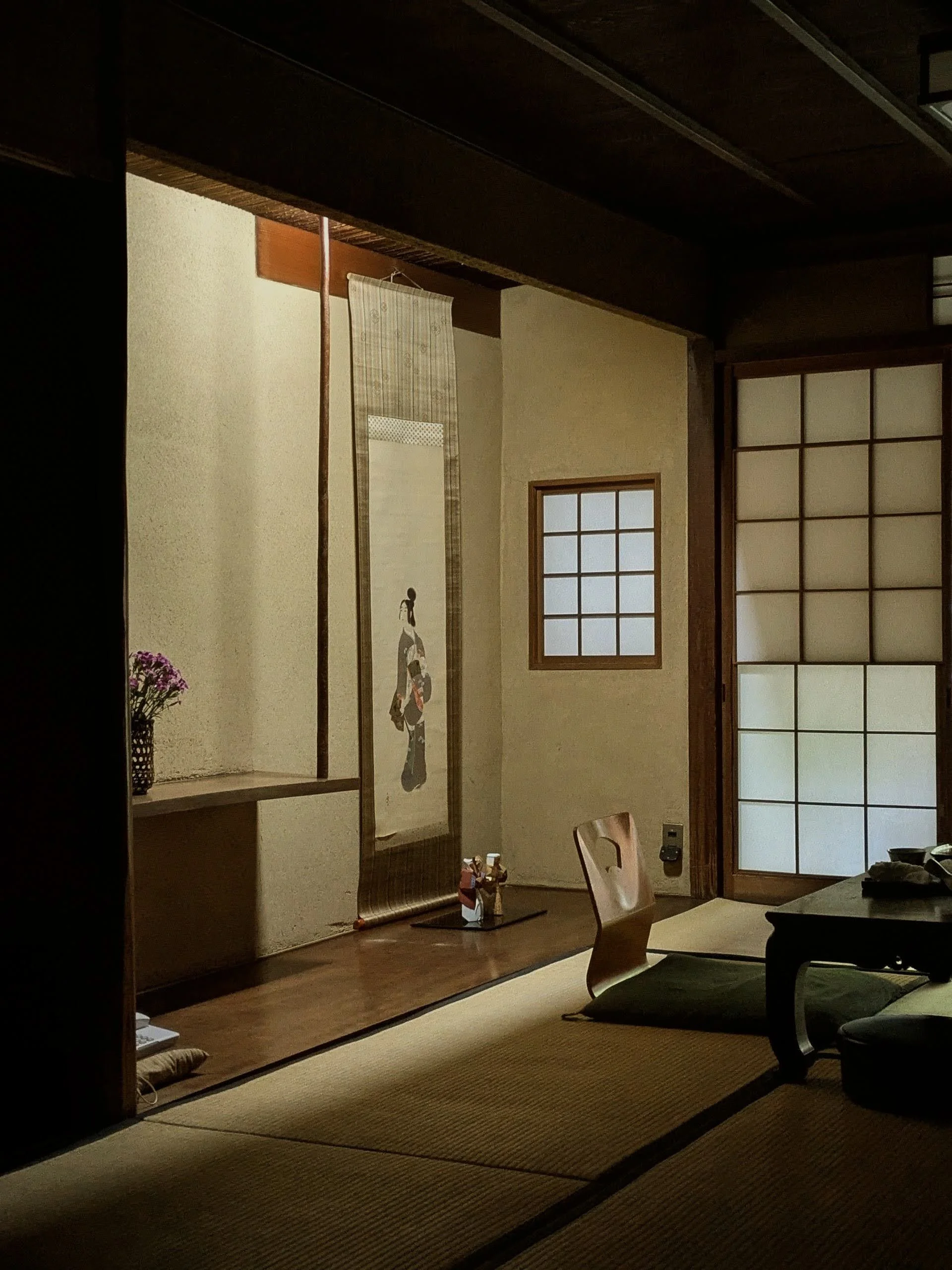
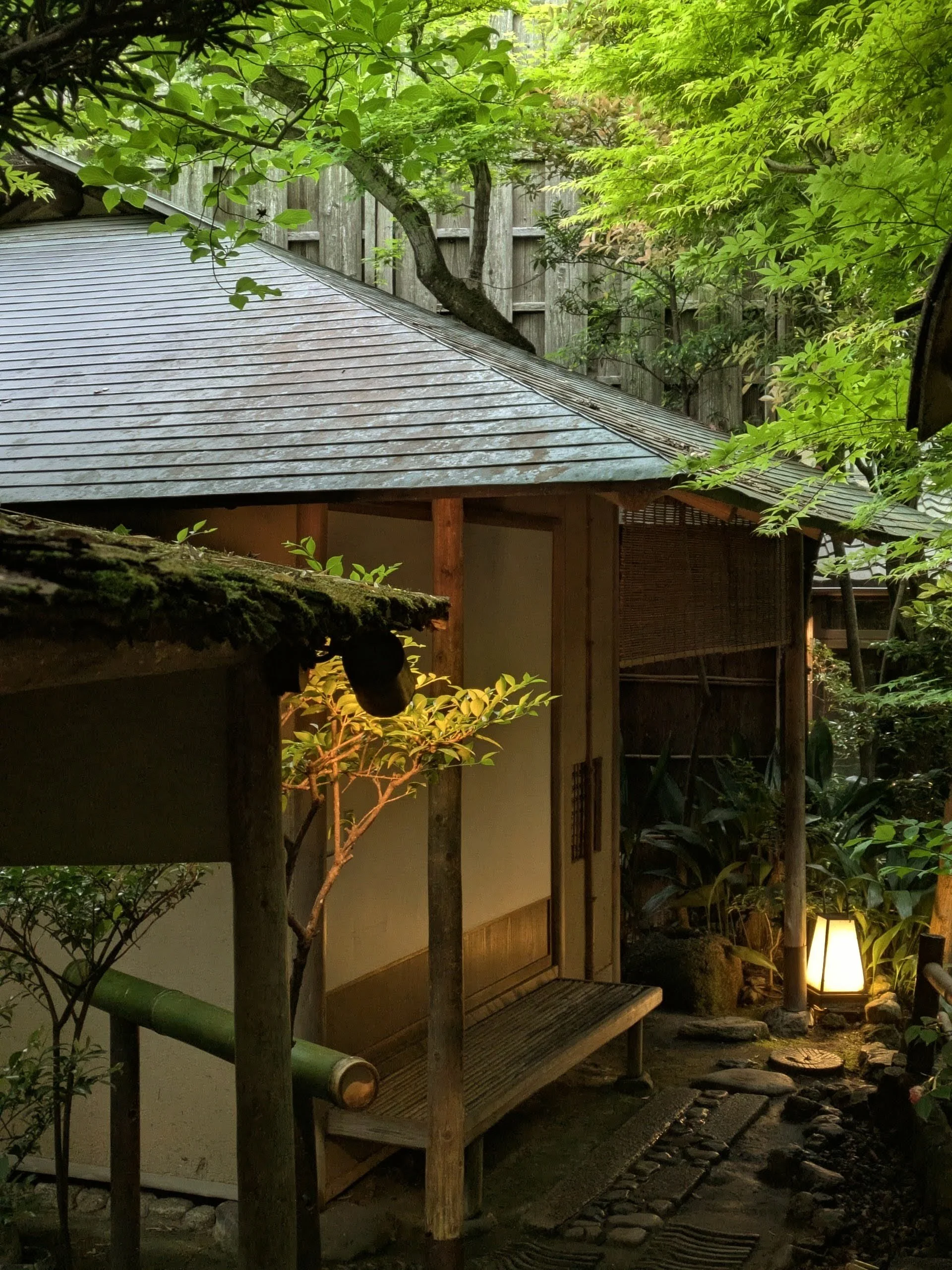
These ideas: handcraft, natural materials, light as a design tool, shadow as a spatial event, are at the core of everything Polysmiths builds across London, whether that is a listed Victorian terrace in Kensington, a Georgian townhouse in Highbury, or a contemporary extension in Camden. Japan doesn't offer a style to copy. It offers a set of values to hold: that architecture should be made slowly, with care, using real materials, in service of the person who will live in it.
The Chelsea Mews House, completed in 2024, already drew on Japanese minimalism and the wabi-sabi principle of beauty found in imperfection and natural ageing, in its lime plaster walls, its aged timber, its careful approach to light. The Japan visit deepens that conversation and opens new ones.
Talk to Us About Your Project
If the values in this piece resonate, if you are someone who cares about natural materials, the quality of light in a room, and architecture that genuinely reflects who you are, we would like to hear about your project.
Polysmiths works with design-conscious homeowners, art collectors, and international clients on residential renovations, house extensions, and listed building refurbishments across London, typically from £300k to £1M+ construction cost. Architectural fees are 12–15% of construction cost.
Start the Conversation
We offer no-obligation initial consultations for international clients considering London property purchases. These exploratory chats cover:
Your vision for London living
Properties you're considering and renovation feasibility
Budget expectations and timeline realities
Whether Polysmiths is the right partner
Email us:hello@polysmiths.com
Include: brief introduction, what brings you to London, areas you're considering (Notting Hill, Kensington, Camden, etc.), properties you're viewing, and approximate renovation budget.
We respond within 24-48 hours to schedule a video call or in-person meeting.
Already in contract? We offer fast-track feasibility assessments (£3,000-£5,000, completed within 2 weeks).
Renovating Georgian townhouses in Notting Hill or Victorian terraces in Primrose Hill is slower and more complex than commissioning new construction in Singapore or Hong Kong. But the outcome—living in a home with 200 years of history—is unavailable anywhere else.
We've helped clients from Taiwan, Japan, Germany, and the United States create London homes that honor both their cultural identity and British architectural heritage. If you're beginning this journey, we'd be happy to talk.
Polysmiths
London Architecture & Interior Design
Specialising in heritage-sensitive residential architecture for international clients across Kensington & Chelsea, Notting Hill, Camden, Primrose Hill, St John's Wood, Maida Vale, and East Dulwich.
Email: hello@polysmiths.com | Phone: +44 (0)7786 675961